Polyester vs Cotton Which is Better for Your Needs?
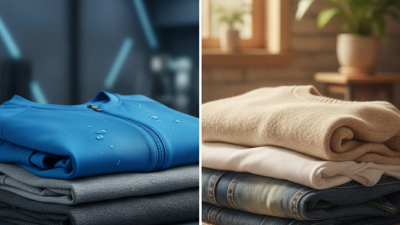
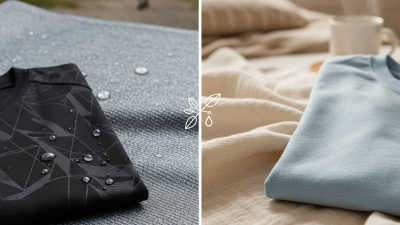
When choosing between fabrics, many face the dilemma of Polyester vs Cotton. Each material has its own unique properties and benefits. Polyester is often praised for durability and stain resistance. It dries quickly, making it a popular choice for active wear. However, it can feel less breathable and comfortable against the skin.
On the other hand, Cotton is beloved for its softness and natural feel. It's more breathable and hypoallergenic, making it ideal for those with sensitive skin. Yet, cotton can shrink and wrinkle more easily than polyester. Both materials come with their pros and cons.
Consider the intended use of the fabric. For everyday comfort, cotton might win. For durability and performance, polyester could be the better choice. The decision ultimately hinges on your specific needs. Understanding the nuances between Polyester vs Cotton can lead to a more informed choice in your fabric selection journey.
Comparison of Polyester and Cotton: Key Attributes
Polyester and cotton are popular fabric choices for various applications. Each material has distinct attributes that cater to different needs. Polyester is known for its durability and resistance to shrinking and stretching. It dries quickly, making it ideal for athletic wear and outdoor activities. A study by the Textile World magazine highlights that polyester fibers can retain their shape and are less prone to wrinkling compared to cotton.
Cotton, on the other hand, is favored for its breathability and softness. It is more comfortable against the skin, particularly in warmer climates. According to the American Cotton Growers Association, cotton fabric can absorb moisture effectively, which helps in temperature regulation. However, cotton is not as resilient as polyester and tends to shrink or lose shape after multiple washes.
In summary, choosing between polyester and cotton depends on specific needs. Polyester is excellent for durability and low-maintenance care. Cotton excels in comfort and breathability. Weighing these attributes is essential for making an informed choice. Understanding their characteristics can empower consumers to select the best fabric for their lifestyle or activities.
Polyester vs Cotton: Key Attributes Comparison
This chart compares Polyester and Cotton across various key attributes such as durability, breathability, moisture wicking, cost, and environmental impact. Each attribute is rated on a scale from 1 to 10, indicating how well each fabric performs in that area.
Durability and Longevity: Polyester vs Cotton
When considering durability and longevity, polyester and cotton present distinct characteristics.
Polyester is a synthetic fabric known for its remarkable resilience. According to the Textile Research Journal, polyester fibers can withstand heavy wear and tear, boasting a lifespan of up to five years in common use cases. They resist shrinking, stretching, and fading. This makes polyester a popular choice for outdoor gear and heavy-use apparel.
In contrast, cotton, a natural fiber, offers comfort and breathability.
However, it tends to degrade faster, especially when exposed to harsh conditions. The Cotton Incorporated Lifestyle Monitor™ reports that cotton fabrics may lose their integrity after about two to three years of regular wear. They can shrink and fade after multiple washes, which impacts their appearance and performance over time.
Choosing between these fabrics requires a deep understanding of specific needs. If your priority is longevity and resilience, polyester may be the better option. Yet, for comfort and softness, cotton holds certain advantages. Reflecting on these aspects can lead to more informed decisions, tailored to your unique lifestyle and usage patterns.
Comfort and Breathability: A Detailed Comparison
When it comes to comfort and breathability, the choice between polyester and cotton is critical. Cotton is a natural fiber. It allows air to circulate easily, offering a soft and breathable experience. Many find cotton suitable for warm weather, as it absorbs moisture. This keeps you cooler and more comfortable.
Polyester, a synthetic fiber, has different properties. It is moisture-wicking, which can help keep you dry. However, it may not allow as much air circulation, leading to feelings of stickiness in humid conditions. Comfort may vary based on the fabric's weave and thickness, especially with polyester blends. Some prefer how cool and smooth polyester feels against the skin.
Tips: Choose cotton for daily wear and relaxation. It feels gentle against your skin and is ideal for sleepwear. For activewear, polyester could outperform cotton. It stretches and dries quickly, making it suitable for workouts. Remember, personal preference plays a significant role. Experiment to find what works best for your lifestyle.
Environmental Impact: Sustainability of Polyester and Cotton
When comparing the environmental impact of polyester and cotton, it's essential to consider their different lifecycles. Cotton is a natural fiber, often grown using water and pesticides. This farming method can deplete local water resources. However, it biodegrades well, returning nutrients to the soil.
On the other hand, polyester, a synthetic fabric, is derived from petroleum. This process involves significant energy consumption, contributing to greenhouse gas emissions. While polyester is durable and often recycled, concerns remain regarding microplastic pollution. These tiny fibers can enter oceans and harm marine life.
Consumers should weigh these factors carefully. Choosing sustainable materials is crucial. Biomimicry in textile production shows promise. Innovations like organic cotton and recycled polyester could bridge gaps. Yet, understanding the trade-offs is vital. The perfect solution might not exist, urging continual reflection on our choices.
Polyester vs Cotton: Environmental Impact and Sustainability
| Factor |
Polyester |
Cotton |
| Water Usage |
Lower (requires less water for production) |
Higher (8,000 to 10,000 liters per kg) |
| Land Usage |
Minimal (synthetic, less land required) |
Significant (requires substantial agricultural land) |
| Biodegradability |
Non-biodegradable (can take hundreds of years to decompose) |
Biodegradable (breaks down naturally) |
| Carbon Footprint |
Higher (petroleum-based, contributes to greenhouse gases) |
Lower (carbon sequestration in growth, but varies by farming methods) |
| Pesticide Use |
None (synthetic production) |
High (conventional farming uses many pesticides) |
| Durability |
More durable (resistant to wear and tear) |
Less durable (can wear out faster) |
Cost Analysis: Evaluating Price Versus Quality in Fabrics
When considering polyester versus cotton, cost analysis plays a crucial role.
Polyester is often cheaper, costing about $2.50 to $5.00 per yard, while cotton can range from $5.00 to $15.00 per yard. This price difference can affect your budget.
Polyester offers durability and resistance to wrinkles. However, it may lack the breathability that cotton provides.
In terms of quality, a 2021 Textile Industry report highlighted that 75% of consumers prefer natural fibers for comfort. Cotton is known for its softness and moisture-wicking ability.
Yet, it may not last as long as polyester. Additionally, cotton production can require vast amounts of water, leading to concerns about sustainability.
While polyester may seem cost-effective initially, its environmental impact raises questions. A study indicated that producing polyester emits roughly 3.9 kg of CO2 per kg of fabric.
Weighing price against quality means considering longevity and environmental factors. This brings into focus the need for thoughtful choices in fabric selection.