How to Choose the Right Polyester for Your Needs?
Choosing the right polyester can enhance your comfort and style. Wearing polyester has its unique benefits, especially in various climates. This versatile fabric is known for its durability and ease of maintenance. However, with numerous types available, selecting the right one can feel overwhelming.
Consider your specific needs when it comes to wearing polyester. Do you value breathability for active wear, or is moisture-wicking more important for your lifestyle? Each type of polyester offers different features. For instance, recycled polyester is an eco-friendlier option. Yet, it may not provide the same level of stretch or softness as other types.
Understanding the nuances of polyester types will help you make an informed decision. Quality matters, as not all polyester is created equal. Always look for reputable brands to ensure reliability. There are choices that can disappoint, and sometimes the fabric feels less comfortable than expected. Reflecting on your experiences with wearing polyester can guide your future purchases.
Understanding Polyester: Types and Properties
Polyester is a versatile synthetic fiber known for its durability and resistance to wrinkles. Understanding the various types of polyester can help you make informed decisions based on your needs. There are three main types: PET, PBT, and PLA. Each has unique properties that cater to different applications.
PET, or polyethylene terephthalate, is the most common. It’s widely used in clothing and home textiles. PET offers excellent resistance to shrinking and stretching. If you’re looking for longevity, this is a solid choice. PBT, or polybutylene terephthalate, provides superior elasticity. This makes it useful in activewear, where flexibility is key. PLA, or polylactic acid, is a biodegradable option made from renewable resources. It’s a good choice for eco-conscious consumers.
When selecting polyester, consider the intended use and required properties. Think about breathability, stretch, and moisture-wicking abilities. Mistakes can happen—like choosing a fabric that doesn’t hold up under specific conditions. It’s essential to weigh these factors carefully. Research shows that familiarity with fabric types can enhance overall product satisfaction. High-quality materials can elevate the performance of your final product, leading to better results.
Types of Polyester and Their Properties
This chart displays the tensile strength and stretch ratio of different types of polyester, helping you understand their performance characteristics better.
Identifying Your Specific Needs for Polyester
Choosing the right polyester starts with a clear understanding of your specific needs. Each polyester type offers different properties. For instance, filament polyester is commonly used in garments. Its smooth texture and durability make it ideal for activewear. In contrast, staple polyester is often used for insulation and filling materials. Its ability to mimic the feel of natural fibers lends softness to various applications.
Consider your project's requirements. If moisture-wicking is essential, look for polyester blends that enhance breathability. In a 2022 report by the Textile Association, 65% of consumers prefer moisture-managing fabrics for sports apparel. This indicates a significant trend toward performance-oriented materials. Additionally, think about the environmental impact. Recycled polyester reduces waste and represents about 14% of the global polyester market. However, this option may compromise some durability aspects, which may require reflection on long-term use.
Cost is another vital factor. High-performance polyester often comes with a higher price tag. Understanding how long you will use the material can determine if the investment pays off. It's crucial to balance quality with affordability. Not every polyester will fit every need, and sometimes a compromise is necessary. Exploring various options can lead to better, more tailored choices for your specific use case.
How to Choose the Right Polyester for Your Needs? - Identifying Your Specific Needs for Polyester
| Polyester Type |
Properties |
Ideal Uses |
Durability |
Care Instructions |
| Standard Polyester |
Lightweight, durable, resistant to wrinkles |
Clothing, upholstery, curtains |
High |
Machine wash cold, tumble dry low |
| Microfiber Polyester |
Soft, absorbent, strong |
Bedding, cleaning cloths, activewear |
Very High |
Machine wash warm, do not bleach |
| Recycled Polyester |
Eco-friendly, lightweight, good moisture wicking |
Sporting goods, outdoor apparel |
High |
Machine wash cold, hang to dry |
| Stretch Polyester |
Flexible, retains shape, comfortable |
Yoga pants, swimwear, sports bras |
Moderate to High |
Machine wash cold, do not iron |
Evaluating Fabric Strength and Durability
When evaluating fabric strength and durability, polyester shines as a versatile option. Its unique molecular structure offers resistance to stretching and shrinking. This means garments made from polyester maintain their shape and fit well over time. Additionally, polyester resists wrinkles and is easy to care for, making it suitable for everyday wear.
However, not all polyester fabrics are created equal. The thickness and weave of the fabric impact its strength significantly. Some manufacturers provide fabric specifications that indicate tensile strength. This can be helpful for consumers looking for durability in their textiles. Testing methods can vary, so understanding these differences is crucial. Expect some polyesters to wear out faster than others, especially in high-friction areas.
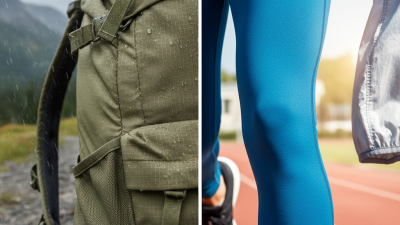
Consider your intended use when choosing polyester. For outdoor gear, you might want a denser weave that can withstand harsh conditions. Conversely, if you seek comfort for casual wear, a softer blend could suffice. Reflecting on these factors will guide you in selecting the right polyester for your needs. Be mindful of trade-offs between cost and quality as well.
Considerations for Polyester's Moisture Management
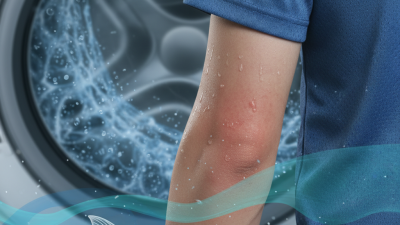
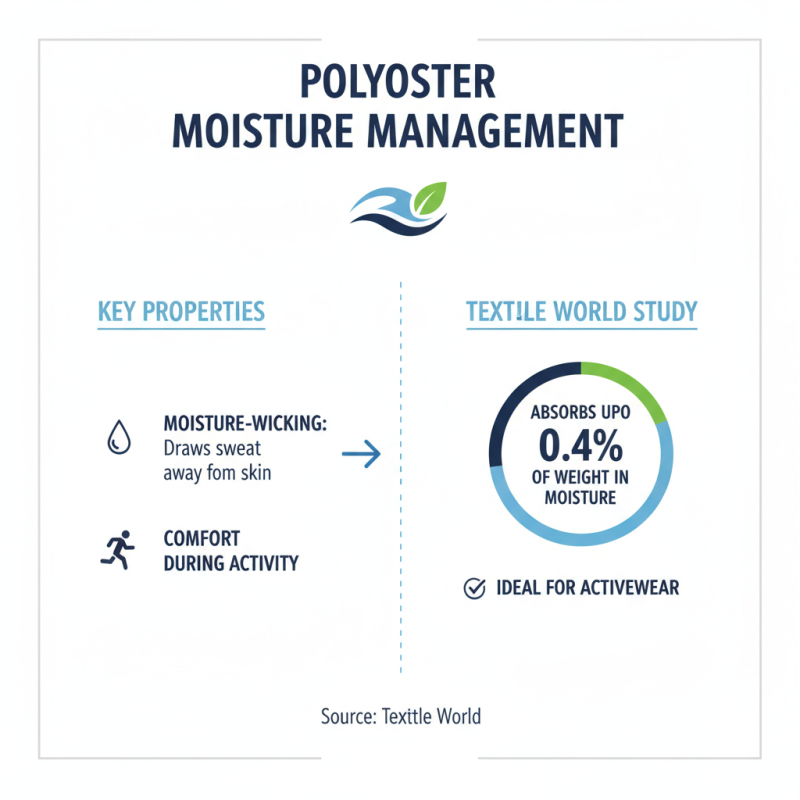
When selecting polyester for specific applications, moisture management is critical. Polyester fabrics are popular for their moisture-wicking properties. They can draw sweat away from the skin, aiding in comfort during physical activities. According to a study by Textile World, polyester can absorb up to 0.4% of its weight in moisture, making it a suitable choice for activewear.
However, not all polyester is created equal. Variations in fiber structure affect moisture management. For instance, microfibers can enhance moisture transport and decrease drying time. As reported by the Journal of Industrial Textiles, fabrics with a finer denier exhibit improved breathability. This detail is essential for consumers considering athletic apparel versus everyday wear.
Despite its benefits, polyester’s moisture management isn’t flawless. Some users report lingering odors in polyester garments after intense workouts. This issue may arise from the fabric’s tendency to trap sweat and bacteria. Acknowledging this aspect is vital when making a choice. Balancing moisture control and comfort can sometimes be tricky. It’s important to test different polyester types to find the right fit for your needs.
Cost vs. Quality: Making an Informed Decision on Polyester
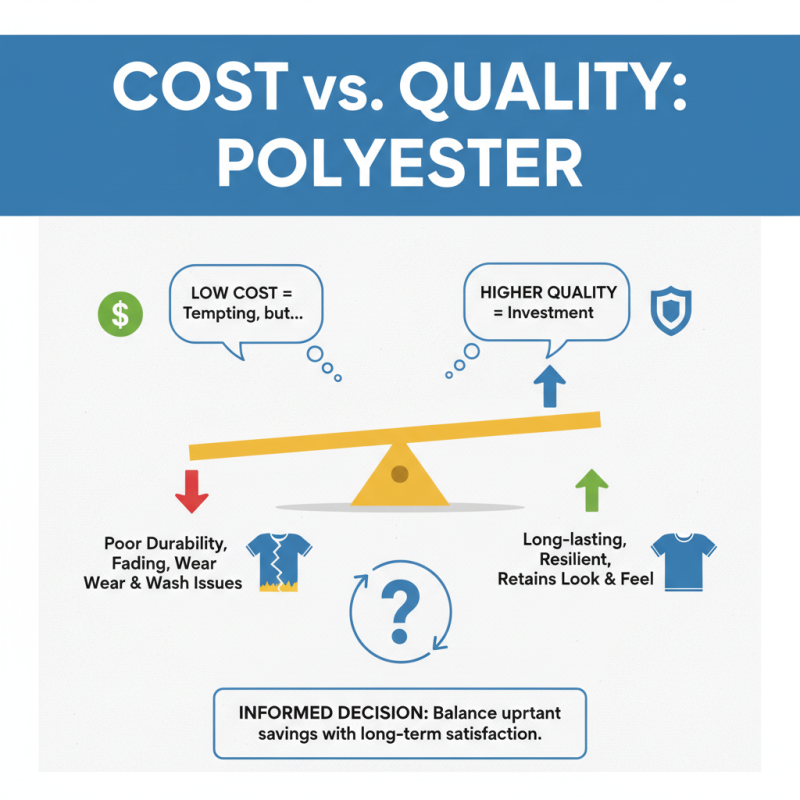
When selecting polyester, understanding the balance between cost and quality is essential. Affordable options might seem tempting. However, lower-quality polyester can lead to problems. It may not withstand wear, fading, or washing over time. This can result in a product that disappoints in the long run.
Evaluating your specific needs helps in making an informed choice. Consider the intended use of the polyester. For instance, fabrics for outdoor gear should endure harsh conditions and UV exposure. A cheaper polyester could fail under such demands, leading to early replacement and higher costs over time.
Quality does matter, especially for items that see frequent use. Investing in higher-grade polyester often means better durability and comfort. This choice pays off in the long-term. However, it’s also wise to acknowledge your budget limitations. Balancing these factors is not always straightforward, but doing so can lead to satisfactory outcomes.